

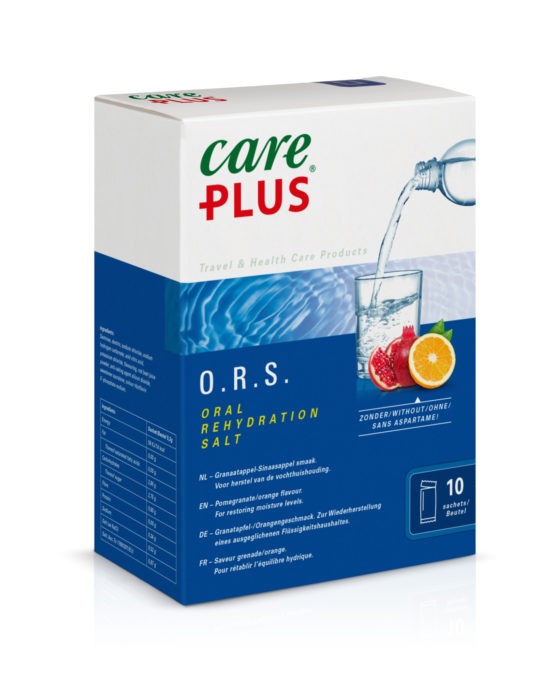
Description
Sodium chloride, potassium chloride, sodium citrate, and glucose anhydrous are all commonly used in medicine.
Sodium chloride is a salt commonly used as a source of electrolytes for the body, it can be administered intravenously, orally or topically.
Potassium chloride is a salt that is used to treat and prevent low levels of potassium in the blood. It can be administered intravenously, orally, or as a suppository.
Sodium citrate is a salt that is used to prevent and treat urinary tract infections. It can be administered orally or intravenously.
Glucose Anhydrous is a form of glucose that is used for the treatment of hypoglycemia (low blood sugar) and for maintaining glucose levels during certain medical procedures. It can be administered intravenously, orally or rectally.
Direction of Use: These medications are usually administered by a healthcare professional and the dosage depends on the individual’s condition and the form of the medication.
Contraindication: These medications should not be used in individuals with a known hypersensitivity to the drug or any of its components, or in those with certain medical conditions. For example, potassium chloride should not be used in individuals with hyperkalemia (high potassium levels in the blood) or in those with kidney problems.
Doses and Administration: The usual adult dose of sodium chloride is 1-2g/day. The usual adult dose of potassium chloride is 40-80mEq/day. The usual adult dose of sodium citrate is 2-3g/day. The usual adult dose of glucose anhydrous is 10-50g/day.
Side Effects: Common side effects of these medications include stomach upset, nausea, vomiting, and diarrhea. More serious side effects may occur, depending on the medication and the individual’s medical history.
Interactions: These medications may interact with other medications. For example, potassium chloride may interact with blood pressure medications and diuretics.
Warnings and Precautions: These medications should be used with caution in individuals with certain medical conditions, such as kidney problems or heart disease. Patients should inform their healthcare provider of any medical conditions and medications they are taking before starting treatment with these medications. Also, you should be in regular contact with your healthcare provider while using these medications.





Reviews
There are no reviews yet.