

Description
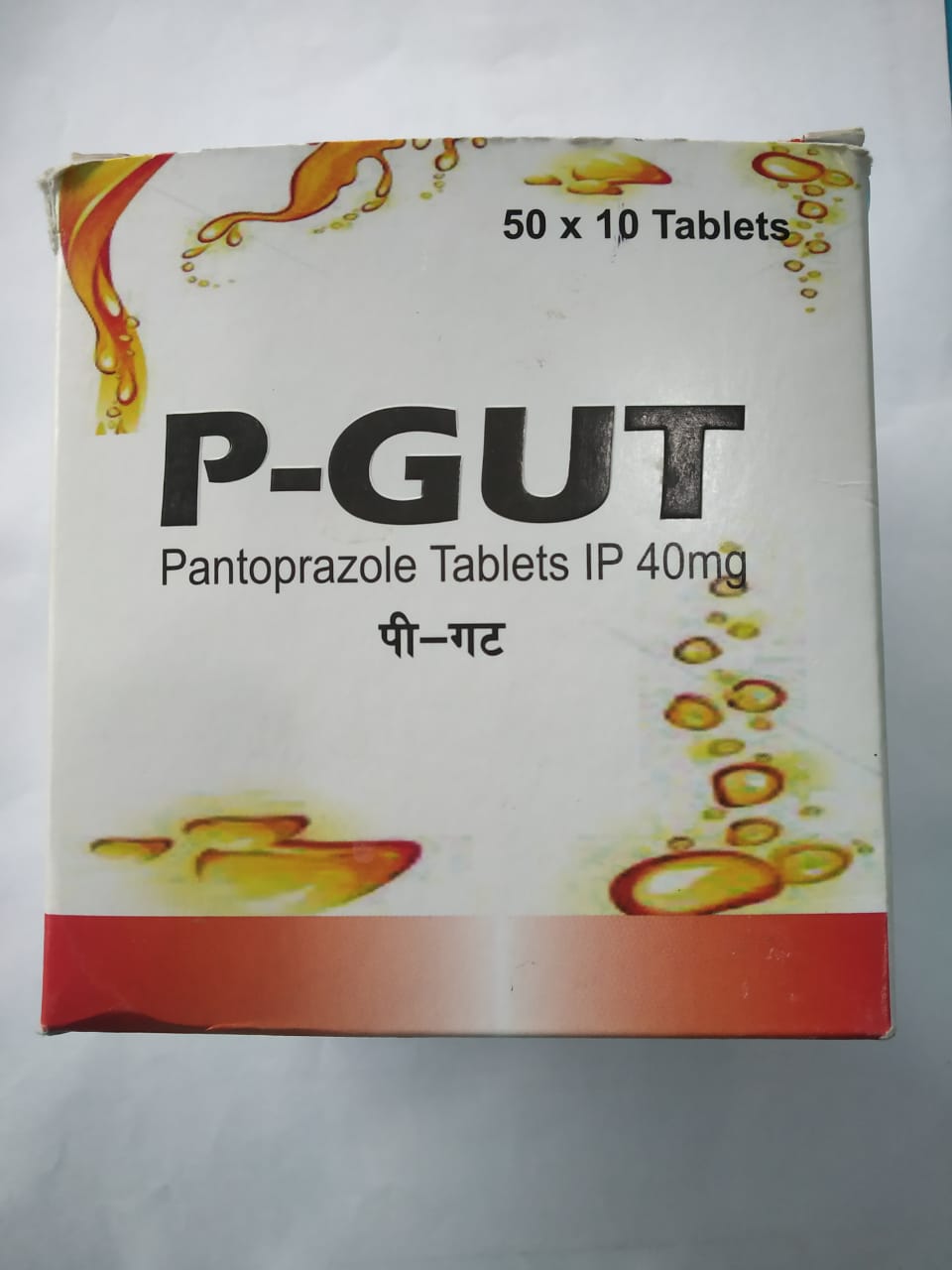
Pantoprazole is a proton pump inhibitor (PPI) medication used to reduce the amount of acid produced in the stomach. It is used to treat conditions such as gastroesophageal reflux disease (GERD), erosive esophagitis and other conditions associated with excess stomach acid.
Direction of Use: Pantoprazole is usually taken orally, with or without food, as directed by a healthcare provider. It is important to follow the instructions on the prescription label and to take the medication at the same time every day.
Contraindication: Pantoprazole should not be used in people who have had an allergic reaction to it or in people with severe liver disease.
Doses and Administration: The initial dose of pantoprazole varies depending on the condition being treated, the severity of symptoms, and the individual’s response to the medication. The dose may be adjusted by the healthcare provider based on the individual’s response and tolerance.
Side Effects: Common side effects of pantoprazole include headache, diarrhea, and nausea. More serious side effects can include allergic reactions, liver damage, and hip fractures in older adults.
Interactions: Pantoprazole may interact with other medications such as warfarin, clopidogrel, and atazanavir, which can increase the risk of bleeding. It can also interact with certain supplements such as vitamin B12, magnesium, and iron.
Warnings and Precautions: Long-term use of pantoprazole can cause serious side effects and should be used with caution. It should also be used with caution in patients with liver or kidney disease, or in patients who are taking other medications that affect the stomach or intestines. Pregnant and breastfeeding women should also avoid taking this medication.

Reviews
There are no reviews yet.