

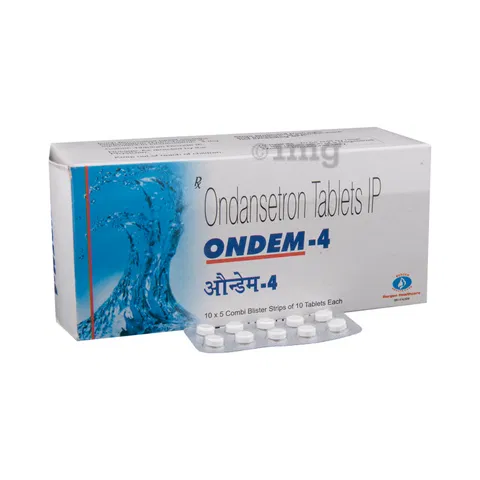
Description
Ondansetron is a medication used to prevent nausea and vomiting caused by chemotherapy, radiation therapy, and surgery. It works by blocking a natural substance in the body that causes nausea and vomiting.
Direction of Use: Ondansetron is typically taken orally, as a tablet or as a liquid, and the dosage and duration of treatment will depend on the individual’s needs. It is important to follow the instructions provided by your healthcare provider or the product’s label.
Contraindication: Ondansetron should not be used in people who are allergic to ondansetron or any of the ingredients in the medication. It should not be taken if you have a history of long QT syndrome, an irregular heart rhythm that can lead to fainting or sudden death.
Doses and Administration: The recommended adult oral dose for the prevention of nausea and vomiting caused by chemotherapy is 24 mg given as three 8-mg tablets administered 30 minutes before the start of chemotherapy. The recommended adult oral dose for the prevention of nausea and vomiting caused by surgery is 8 mg given 1 hour before the start of anesthesia.
Side Effects: Common side effects of Ondansetron include constipation, headache, and diarrhea. More serious side effects may include slow heart rate, chest pain, trouble breathing, and allergic reactions.
Interactions: Ondansetron may interact with certain medications, such as apomorphine, phenothiazines, and other serotonin receptor agonist. It is important to inform your healthcare provider of all medications you are taking before taking Ondansetron.
Warnings and Precautions: Ondansetron should be used with caution in people with liver or kidney disease, or a history of long QT syndrome. It should not be used during pregnancy or breastfeeding without the advice of a healthcare provider. It is important to inform your healthcare provider of any medical conditions you have before taking Ondansetron.


Reviews
There are no reviews yet.